SEC to Host Roundtable on Potential Shift to 24-Hour U.S. Stock Trading
The SEC announcement specifies a September 2026 roundtable.
Garrett Croft·updated July 26, 2026
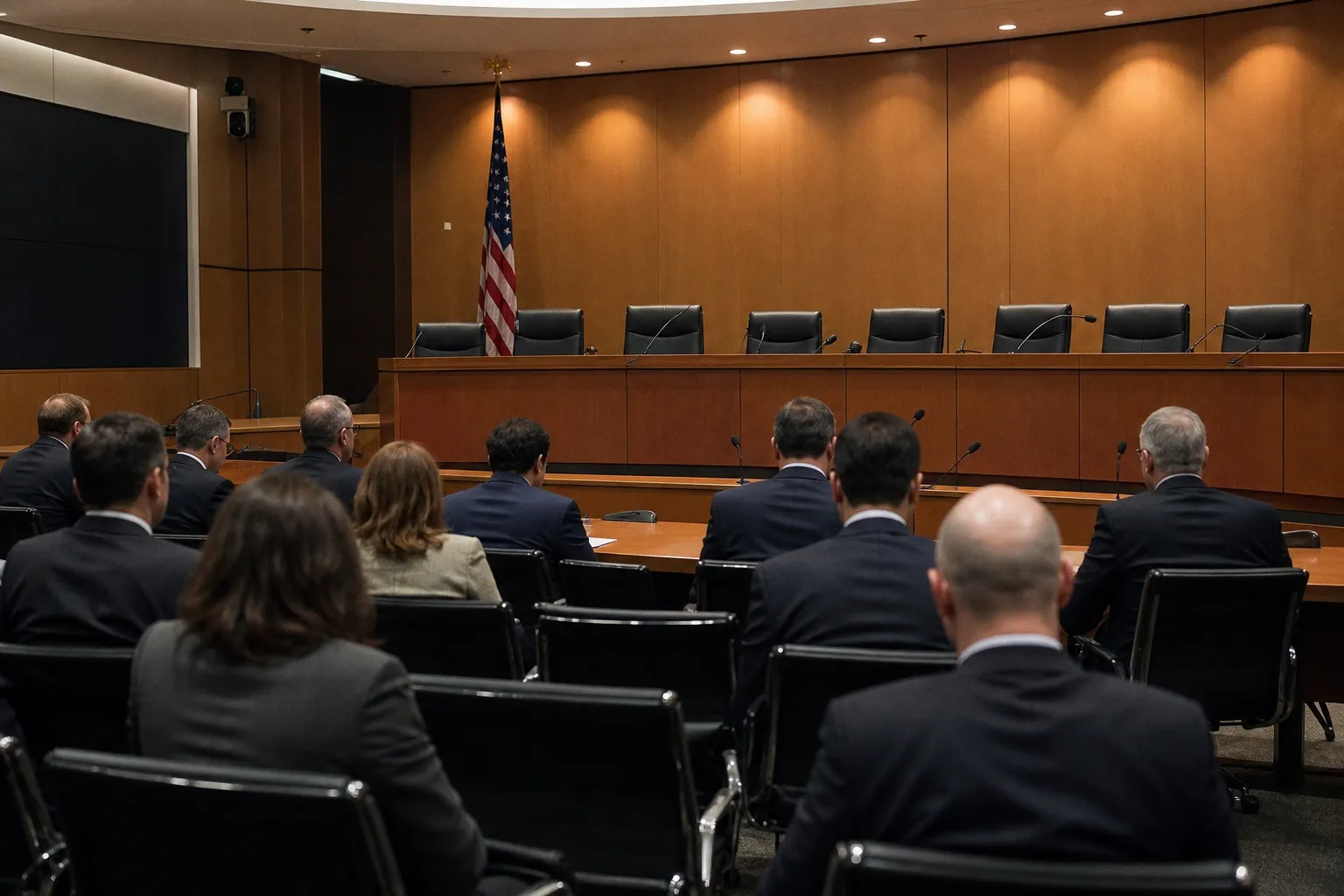
According to the U.S. Securities and Exchange Commission, the agency will hold a roundtable in September 2026 on a possible expansion of U.S. equity markets toward continuous 24-hour operations. The stated scope is operational resiliency and investor-protection challenges. For active traders, the relevant variable is not a new trading session today, but the future design constraints on execution, data handling and market access.
The event is a review, not an implementation notice
It does not specify a rule proposal, implementation schedule, eligible venues, order types or broker API requirements.
That distinction matters. A continuous market is not only an extension of chart time. It is an operating model that would require defined behavior across every interval: quote publication, order acceptance, cancellation logic, trade reporting, surveillance and exception handling.
The commission has placed two variables at the center of the discussion:
- Operational resiliency.
- Investor protection.
For platform users, these are the correct fields to monitor. The announcement contains no confirmed parameters for spreads, displayed liquidity, routing priority, fill rates or outage handling. Those metrics should not be assumed from the phrase “24-hour trading.”
Execution checks for platform users
The first practical task is to separate session availability from executable liquidity. A platform can display a price outside a core session without establishing the same execution conditions available during another period. Any future 24-hour framework will need observable definitions for quote quality, order handling and recovery from system failures.
Traders should track whether later SEC materials address:
1. Venue continuity. Whether trading would be continuous at a single venue or routed across distinct operating periods.
2. Order-state handling. How resting limit, stop and conditional orders would behave across maintenance, interruptions or session transitions.
3. Market-data continuity. Whether trade, quote and chart data would retain consistent timestamps and session labels.
4. Broker controls. Whether risk checks, buying-power calculations and API limits would operate without a daily reset window.
5. Incident procedures. How exchanges, brokers and data vendors would communicate and recover when infrastructure is unavailable.
These are execution parameters. They determine whether a chart pattern or price level is actionable, rather than merely visible.
The structural comparison is already relevant for traders following the foreign-exchange market’s preparation for a 24-hour trading transition. The SEC’s stated focus, however, is U.S. equities and the specific operational-resiliency and investor-protection issues tied to that market.
Current verdict: monitor specifications
No trading rule, platform rollout or broker capability was announced in the available SEC material. No assumptions should be made about overnight liquidity, slippage, commissions, route selection or supported order types.
Parameter checklist:
- SEC roundtable date: September 2026.
- Subject: potential continuous 24-hour U.S. equity-market operations.
- Confirmed review areas: resiliency and investor protection.
- Unconfirmed: implementation timetable, market structure, broker access and execution conditions.
Binary verdict: policy-review event; no confirmed platform action.