Evaluating AMD Trading Signals: Separating Market Noise from Actionable Data
According to Stocktwits, AMD is the subject of a current price, news and trading-ideas item.
Garrett Croft·updated July 27, 2026
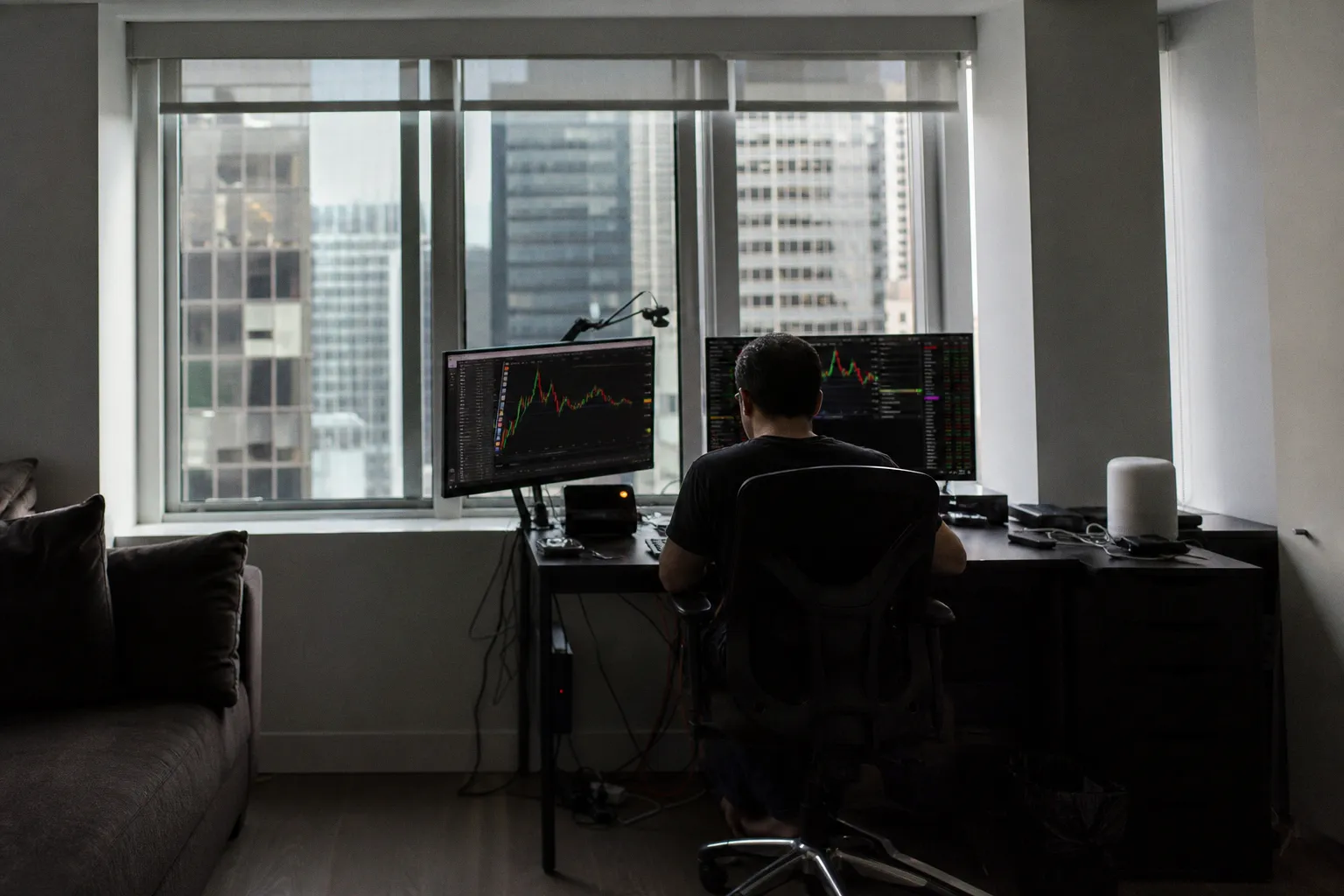
The available source material contains no verified last price, session range, volume, float data, catalyst timing, or technical levels. For active traders, that is the operating constraint: no price-based setup can be validated from this feed alone.
Signal quality: insufficient for execution
The Stocktwits item confirms that AMD is under active market discussion. It does not provide the data required to define an entry, stop, target, expected slippage, or risk per share.
A separate Mshale headline frames AMD analysis around a “6GW deal” and a “$1 trillion pivot.” The supplied material does not include source text supporting either point. These phrases should therefore be treated as unverified headline context, not as a trade catalyst.
No confirmed evidence is available for:
- AMD’s current stock price;
- premarket or regular-session change;
- relative volume;
- intraday high and low;
- earnings, guidance, contract, or regulatory details;
- timing of any reported 6GW arrangement;
- institutional flow or options positioning.
The data gap prevents a directional conclusion. Long and short bias remain unassigned.
Trading workflow after the headline
The headline cluster is not a substitute for a chart or an order-flow read. A trader monitoring AMD should require live platform data before placing an order.
Minimum validation sequence:
1. Confirm the current quote and session change.
2. Measure opening volume against the stock’s normal intraday pace.
3. Mark premarket high, premarket low, prior close, and opening range.
4. Check whether price holds above or below VWAP after the initial liquidity window.
5. Compare AMD’s movement with the relevant semiconductor and broad-market benchmarks.
6. Verify whether any company statement or primary reporting supports the deal-related language.
7. Set entry, invalidation, and maximum loss before routing the order.
The practical distinction is between discussion volume and executable information. The first is present. The second is not confirmed in the evidence supplied.
Parameters to monitor
The relevant market variables are price acceptance, volume expansion, spread stability, and reclaim or rejection at defined levels. A headline without those variables has no measurable win rate and no calculable drawdown profile.
Verdict: no trade signal from the available evidence. Monitor AMD only after a live quote, volume context, and primary-source catalyst details are available.